Why is my MacBook battery draining so fast?
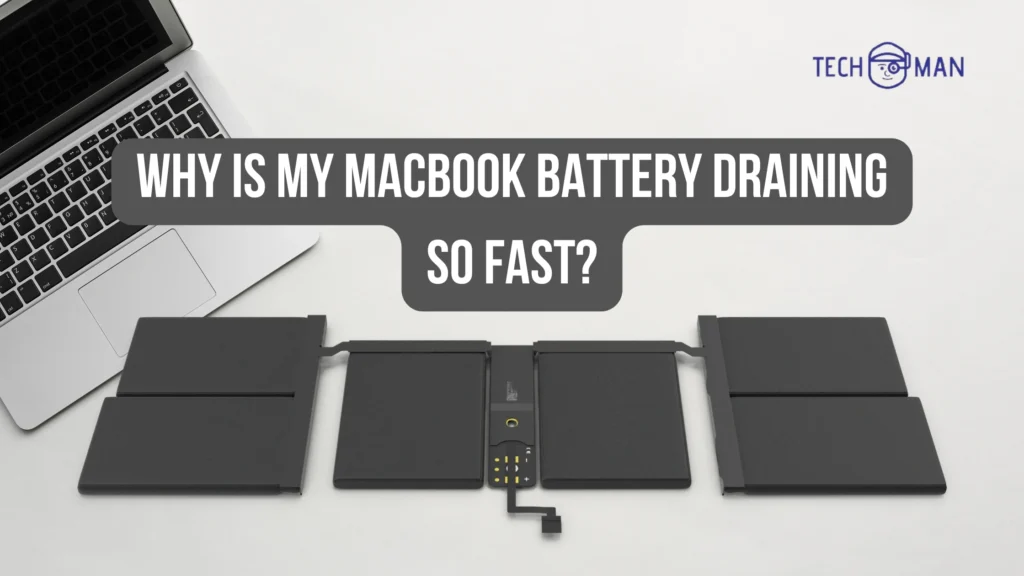
Why is my MacBook battery draining so fast? Is your MacBook battery draining faster than expected? Several factors, including poor battery health, background processes, and poor usage habits, can affect performance. Regular monitoring of battery health and simple adjustments improve energy efficiency and extend the life of your battery. Let’s look into some tips to maintain the battery draining and keep your MacBook running throughout the day. Monitor Your Battery Health Monitoring the health status of your MacBook’s battery is very important for optimal performance and durability. A healthy battery promises smooth, uninterrupted use and avoids unexpected shutdowns. It allows the identification of early signs of battery degradation, such as reduced capacity or need for service, and prevents potential data loss and costly repairs. Keeping an eye on the battery health would allow your gadget to remain efficient and continue to meet your daily needs. Review Battery Usage Patterns Reviewing the use of batteries is essential, as it helps you spot power-intensive applications and background activities that drain your MacBook’s power. You can make informed choices to limit or close resource-hungry applications and optimize the energy efficiency of your MacBook. Tracking usage regularly helps extend its battery life and ensures a MacBook performs optimally throughout the day. Extra Tips to Extend MacBook Battery Life Dim Your Screen and Adjust Screensaver SettingsDimming the screen and shortening the screensaver time reduces power consumption. Bright displays are one of the biggest battery drains, so adjusting these settings can significantly extend battery life. Minimize Energy ConsumptionEnable power-saving features such as Battery Saver or set up the power settings to limit background activities and reduce system performance. This helps save the battery since the background processes will not consume much energy. Unplug Unused AccessoriesDisconnect any unused accessories like external hard drives, USBs, and Bluetooth devices, which still draw power even when not in use and quickly deplete your battery. Close Unnecessary AppsClose unused running applications in the background. Running applications keep using up your CPU and memory resources, depleting the battery further. Don’t Leave Your MacBook Permanently Plugged InLeaving your MacBook constantly plugged in is not the best for your battery’s health as time goes by. Periodically letting the battery drain the charge helps in keeping up its capacity and lifespan. Optimizing your MacBook’s battery life requires proactive care from tracking battery health to appropriate management of power usage. If the issues persist, TechMan, the MacBook Battery Replacement in Dubai, UAE offers expert solutions and can help you with any MacBook repair service. Whatever your preference, be it in-store or on-site repair, our skilled technicians deliver reliable service to help regain your device’s performance and efficiency. View this post on Instagram A post shared by Techman Dubai (@techman.ae) Quick Links iPhone Repair iPad Repair MacBook Repair Apple Watch Repair Samsung Repair Instagram Facebook-f Linkedin-in Youtube Tiktok All Post BLOG Uncategorized Back iPhone iPad MacBook Apple Watch Fast Battery Drain or Charging Failure? When to Visit a MacBook Repair Center in Dubai 21/08/2025 Flashing Lines on Your iPhone Screen? A Guide to Display Repairs in Dubai Silicon Oasis. 19/08/2025 Got Problems? We’ve Got Solutions Book Now! Facing this issue? Fill out the form now Contact Form Demo First NamePhoneEmailModel – Select Model –iPhoneiPadMacBookOther Apple GadgetsSamsung GadgetsOther BrandsIssuesSubmit Form
Why is my MacBook battery draining so fast? Read More »